MVP Development: What to Build First
An MVP should prove the riskiest assumption with the smallest credible product. Here is how to decide what belongs in version one.
An MVP is not a smaller version of the final product
A strong MVP is a focused test of the riskiest assumption. It should be small enough to ship quickly, but credible enough that real users can evaluate the promise.
The mistake is trying to compress a full roadmap into a first release. That creates complexity before learning. The better question is: what must exist for someone to understand, trust, and use the core value?
Prioritise by risk, not excitement
Founders often prioritise the features they can picture most clearly. Users prioritise the problems that make the product worth adopting.
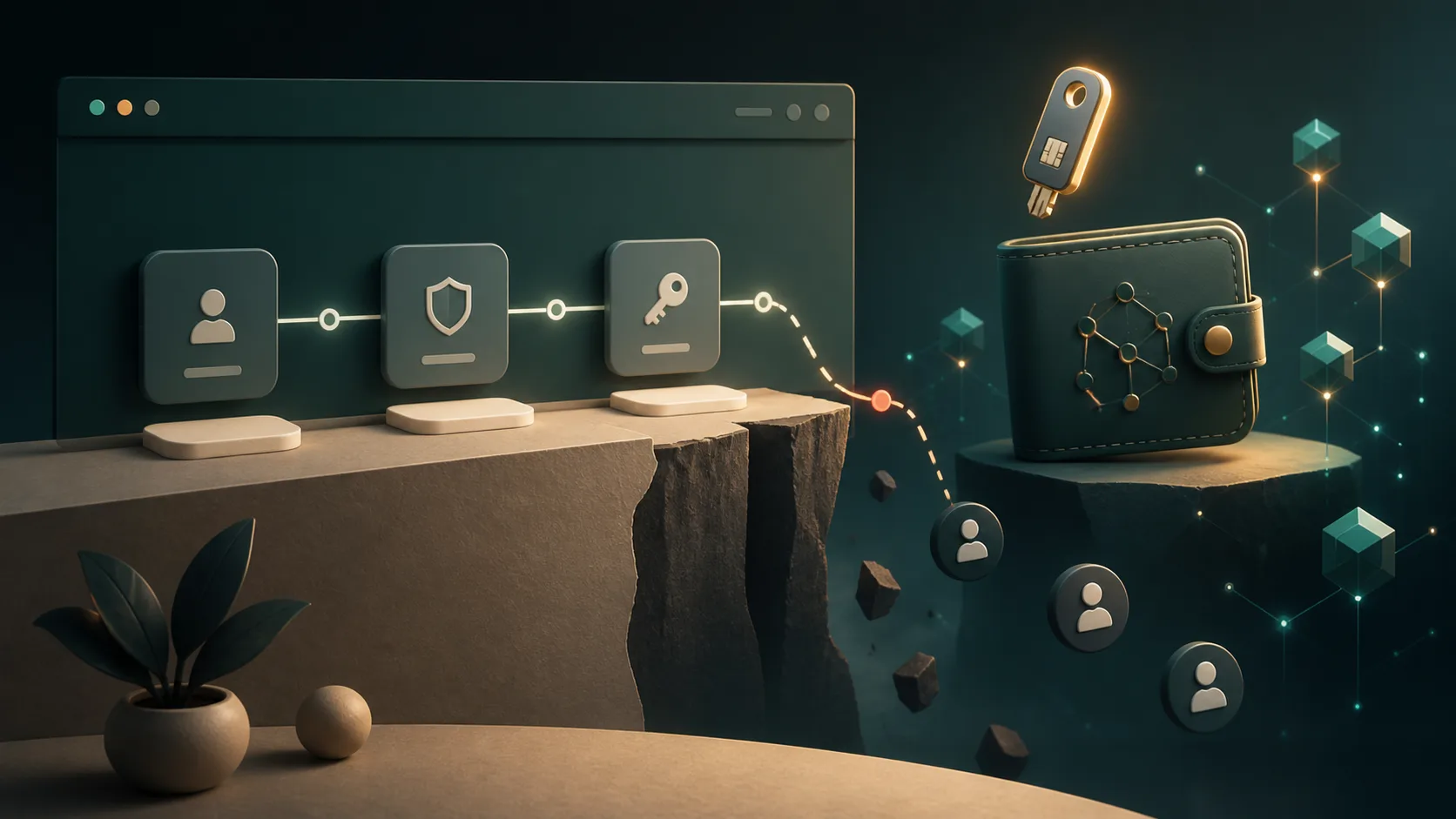
The first release should answer the biggest unknowns. If wallet connection is the barrier, test that flow. If pricing is the barrier, test the offer. If onboarding is the barrier, build the shortest path to value.
- Value risk: do users care enough to change behaviour?
- Usability risk: can users reach the value without guidance?
- Trust risk: do users feel safe enough to sign up, pay, or connect data?
- Technical risk: can the core workflow scale beyond a demo?
- Acquisition risk: can the product attract the right people?
The first version needs a complete journey
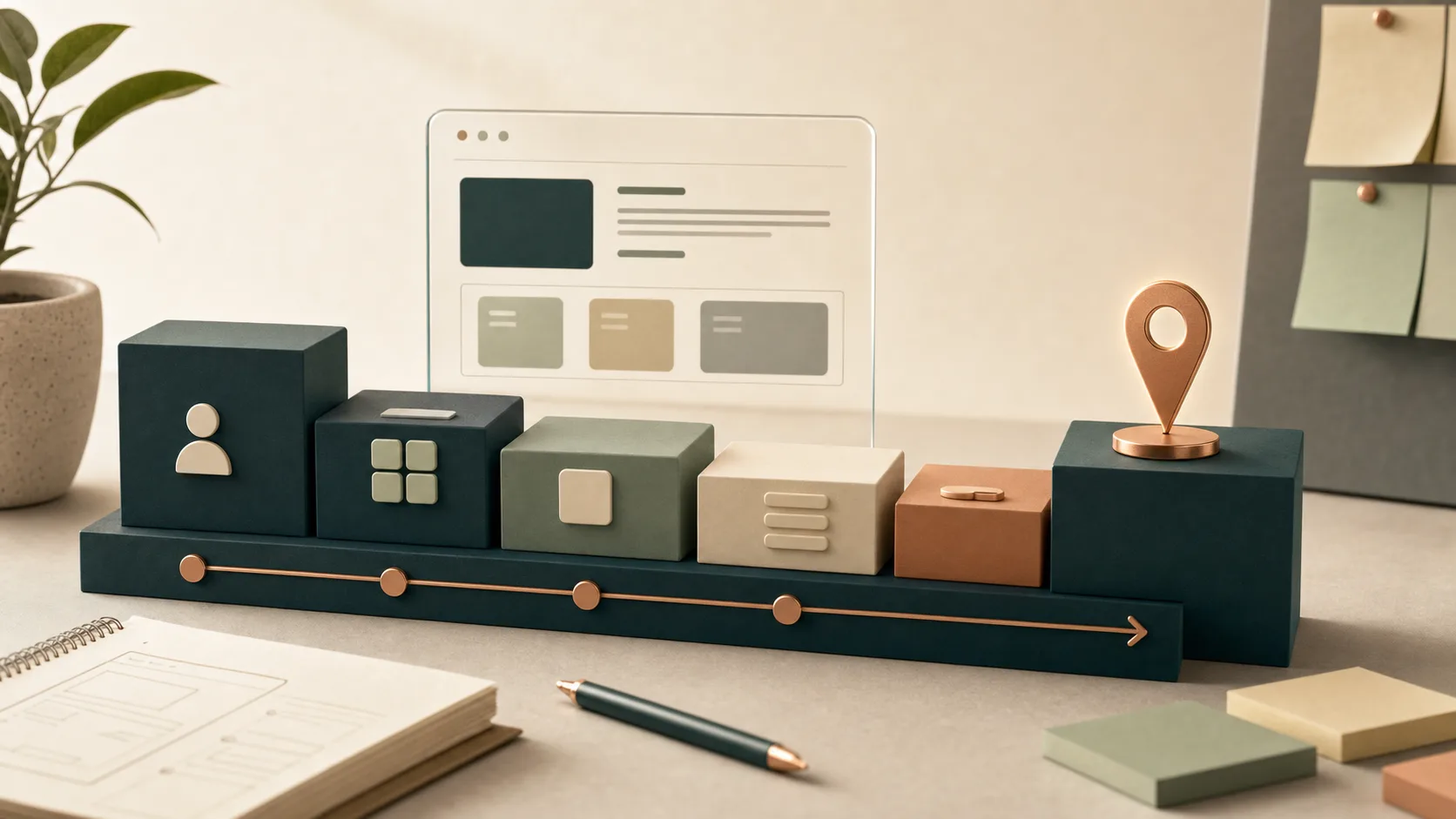
Small does not mean broken. Even a lean MVP needs a beginning, middle, and end: a promise, a signup or access path, a core workflow, confirmation that something happened, and a way to get support.
A narrow but complete journey feels more professional than a wide product full of unfinished edges. That credibility matters, especially when asking early users to trust a new team.
- Landing page with clear positioning and waitlist or demo CTA.
- Onboarding that explains what to do in the first minute.
- One core workflow built end to end.
- Basic analytics for activation, drop-off, and retention signals.
- Feedback channel for qualitative learning.
What to postpone
Most MVPs can postpone advanced settings, complex admin permissions, heavy automation, secondary integrations, and nice-to-have dashboards. These can become powerful later, but they often slow the first learning loop.
A good product team keeps a visible parking lot. Nothing is lost; it is simply sequenced. The goal is not to say no forever, but to protect momentum until the core value is proven.
A simple MVP scoring model
- Must ship: required for the user to experience the main value.
- Must learn: required to validate the riskiest assumption.
- Can fake: can be handled manually until demand is proven.
- Can wait: useful, but not necessary for the first learning loop.
- Should remove: adds complexity without improving trust, learning, or activation.
FAQ
How long should MVP development take?
A focused MVP can often be planned and built in weeks rather than months, depending on integrations and product complexity. The timeline should be based on the smallest complete journey that can validate the key assumption.
Should an MVP include payments?
Include payments if willingness to pay is the main risk or if the product cannot be evaluated without purchase. Otherwise, a demo, waitlist, or manual sales process may be enough for the first test.
Do I need design before building an MVP?
Yes, but it does not need to be overproduced. MVP design should clarify the journey, reduce confusion, and make the product credible enough for real users to engage.